

Submitter: Akshat Sharma
Community: Mifos Initiative
Grant: Local Impact Mini Grant
Grant period: May 27, 2026 – August 28, 2026 (3 months)
Report due: September 28, 2026
Image/Banner
Brief Project Description
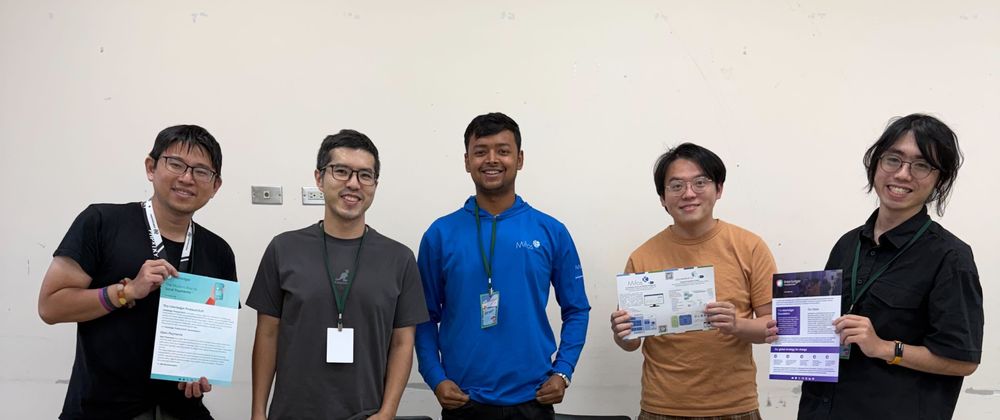
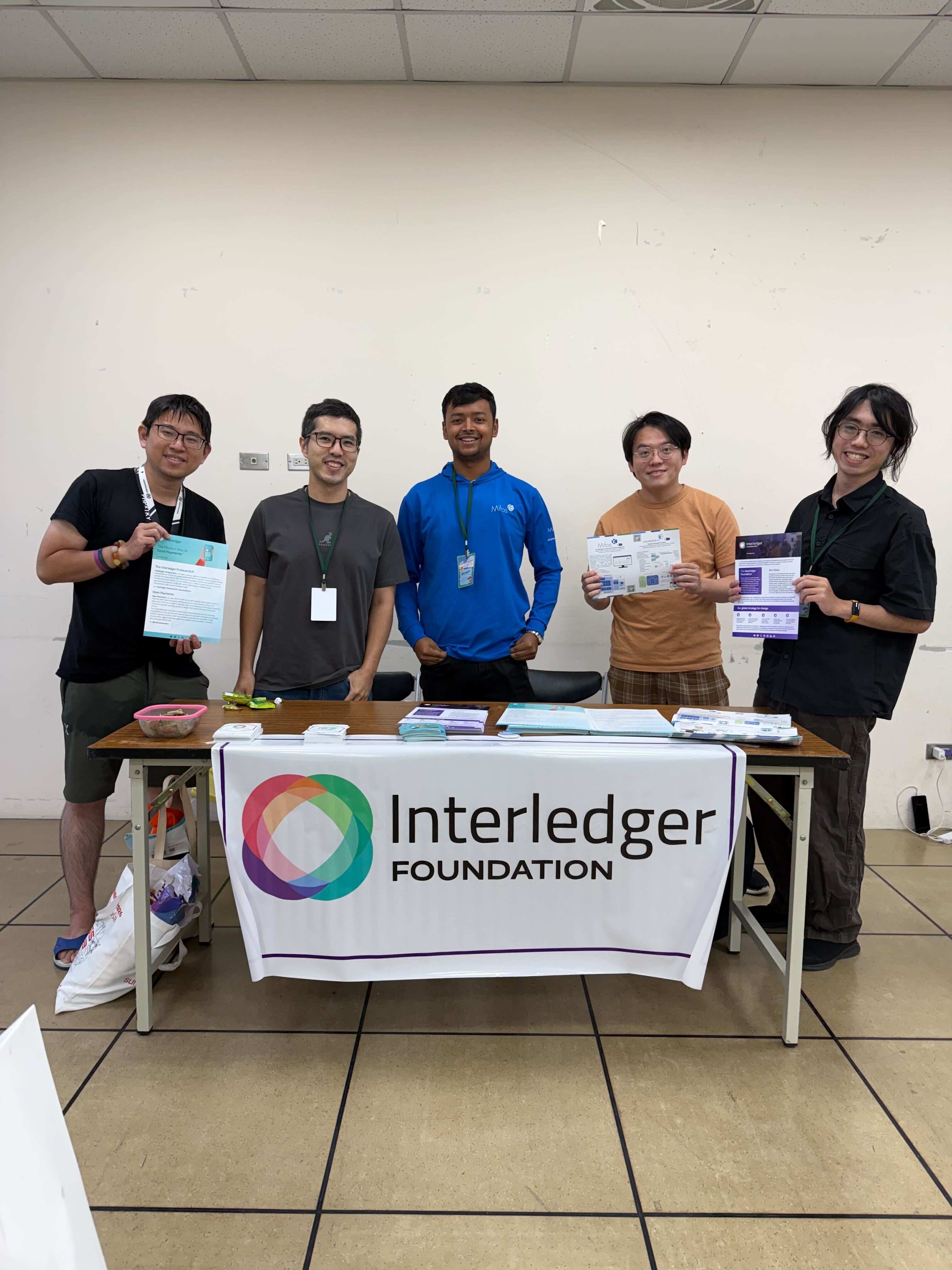
Money Without Borders Lab introduced Open Payments and Interledger Ecosystem to Asia's open source community at COSCUP 2026 in Taipei. The project combined an onboarding session, a talk, a two-day exhibition booth with live demos and one-on-one conversations. The goal was to help developers, students, and community organisers understand how Interledger works, try Rafiki and the test wallet, and see themselves contributing.
Progress report: [https://drive.google.com/file/d/1Xk6sqJhmcLXBeZ1NOxSX7ktyY1DxOjDM/view?usp=sharing]
Project Update
The project ran from May 27 to August 28, 2026. The main milestone was COSCUP 2026 in Taipei, an event of 1,200+ attendees. There I gave a talk (50+ attendees) and staffed a two-day booth, directly engaging around 450 people. That is within the 400–500 target set in the proposal.
Highlights:
- Strong interest: More than half of the attendees I spoke with, after hearing about Interledger's role, history and impact, said they would explore it further. Many followed Interledger on LinkedIn, X and Instagram and starred the project on GitHub.
- Hands-on demand: There was clear interest in trying Rafiki and sending a first payment through the Interledger test wallet.
- Valuable feedback: Attendee questions surfaced a consistent framing gap (see "What's Next?").
Project Impact & Target Audience(s)
Who benefited:
- Developers and open source contributors at COSCUP, one of Taiwan's largest FOSS conferences.
- Students, who asked about hackathons and grants for student projects.
- Small NGOs and community organisations, e.g. "How would a small NGO in Taiwan actually start using this?"
- Potential end users raised by attendees: migrant workers sending remittances home, and content creators receiving tips and micropayments.
Alignment with the Foundation's mission: The project raised awareness of open, interoperable payments in a region where many attendees were new to Interledger. It moved people from curiosity to action (following, starring the repo, trying the test wallet) and gathered questions that show what newcomers need to see. Audience concerns about remittances, micropayments and small-organisation adoption map directly onto the financial-inclusion goals of Interledger.
Benefits to the ILF Ecosystem
The proposal set out the ecosystem impact below. Each item notes what the project delivered, based on the COSCUP report.
Visibility and engagement
- Expected: more visibility for Interledger repositories, with growth in GitHub stars,LinkedIn and X followers.
- Result: most attendees followed Interledger on LinkedIn, X and Instagram and starred the project on GitHub.
Developer community presence and awareness
- Expected: growth in developer community presence and awareness through social platforms.
- Result: Interledger booth reached a large audience of open source developers at COSCUP 2026 (1,200+ attendees, ~450 engaged directly), plus community networks such as FOSS for All, FOSS United, GDG Taipei and FOSSASIA.
New contributors
- Expected: onboarding of new contributors into the ecosystem.
- Result: attendees asked about contribution opportunities, good first issues, and a Slack for ongoing questions. Interest in trying Rafiki and the test wallet was strong.
Community engagement
- Expected: high-quality technical discussions with developers, more interest in building and integrating open payment solutions, and hands-on experimentation and learning.
- Result: the talk and booth led to detailed technical conversations on connectors, exchange rates, failure handling, latency and double-spending. Live demos and follow-up conversations encouraged attendees to try sending a first payment through the test wallet.
Insights for the Foundation
- Developer experience and tooling: attendees asked for a sandbox or testnet, SDKs beyond JavaScript (Rust and Go), beginner-friendly documentation, and self-hosted connector options.
- Regional trends in fintech and open source: Taiwan and Asia-based attendees asked about bank experimentation in the region, central bank risk, and regulation.
- High-impact use cases for Asia Pacific: migrant worker remittances, micropayments and creator tipping, machine-to-machine and IoT payments, and adoption by small NGOs.
- Messaging: the recurring "is this blockchain?" question shows that talks should state upfront how Interledger differs from blockchain-based systems.
Impact after the grant period
- The recorded talk will be published on COSCUP's official YouTube channel.
- The blog posts linked in this report share the key learnings and experiences from the project.
- I will stay active in the Interledger community after the grant, encouraging open source enthusiasts and developers to explore Open Payments, Web Monetization and Rafiki.
Actual reach at a glance:
| Metric | Figure |
|---|---|
| Total event attendees | 1,200+ |
| Talk attendees | 50+ |
| People directly engaged (talk + booth) | ~450 |
Feedback and Q&A themes from the talk and booth
- Positioning: Is this blockchain? Is it replacing PayPal/Visa? How does it compare to Lightning? How is double-spending prevented without a blockchain?
- Trust: Who audits connectors, and is KYC/AML built in? What happens legally if money is stuck between connectors? Who funds the Foundation? One attendee's skepticism of blockchain in general carried over to Interledger because they assumed it was blockchain-based.
- Real-world relevance: Requests for more concrete use cases. Remittances, tipping/micropayments, IoT machine-to-machine payments, easy integration with existing stacks, and daily-life use.
- Developer experience: Sandbox or testnet access, SDKs beyond JavaScript (Rust, Go), beginner-friendly docs, time to build a first app, and self-hosting a connector.
- How it works: Exchange rates, connector failure mid-payment, and latency versus SWIFT.
- Business and adoption: Production users, open source versus commercial, sustainability model, Taiwan/Asia bank interest, and central bank risk.
- Community: Contribution opportunities and good first issues, a Discord or forum for ongoing questions, and hackathons or grants for students.
Outputs and links
- Talk recording: to be published on COSCUP's official YouTube channel (https://www.youtube.com/@coscup/videos).
- COSCUP 2026 impact report (https://drive.google.com/file/d/1Xk6sqJhmcLXBeZ1NOxSX7ktyY1DxOjDM/view?usp=sharing)
Communications and Marketing
- Talk: Presented at COSCUP 2026, Taipei. Recording to be published on COSCUP's YouTube channel.
- Booth: Two days of live demos and one-on-one conversations at the exhibition.
- Blogs:
- Social: Attendees followed Interledger on LinkedIn, X and Instagram. [TO FILL: links to any of your own social posts]
What's Next?
- Lead with "Interledger is not a blockchain." The most common question was whether this is blockchain technology. It shaped follow-up questions on trust and comparisons with Visa/PayPal. Future talks will open with a clear, upfront distinction.
- Bring more real-world use cases (remittances, micropayments, machine-to-machine payments, NGO adoption), which attendees requested during the talk.
- Strengthen developer onboarding: point people to the test wallet, Rafiki, beginner documentation, and a clear place to ask questions after events.
- Stay active in the ILF community: after the grant I will keep encouraging open source enthusiasts and developers to dig deeper into Open Payments, Web Monetization and Rafiki.
- Build on community relationships: productive conversations at COSCUP with FOSS for All, FOSS United, GDG Taipei and FOSSASIA, with potential for future collaboration.
- Capture follow-up better next time: use a simple QR-code or link-based sign-up instead of manual lists.
Community Support
- Guidance on a good beginner path and a "first payment" walkthrough for newcomers who want to try Rafiki and the test wallet.
- Introductions to Interledger contributors or grantees in Asia, and to banks or fintechs experimenting in the region (a frequent attendee question).
- Clear answers or shared resources for recurring trust and compliance questions (connector auditing, KYC/AML, legal treatment of stuck payments).
- Information on hackathons, grants or student programmes that I can pass along to interested attendees.
- Beginner-friendly SDK/documentation pointers, particularly for Rust and Go developers.
Additional Comments
Thank you to the Interledger Foundation and its engineering team for the support, and to the COSCUP organisers and volunteers. The mix of curiosity, healthy skepticism and enthusiasm from attendees made clear that in-person events are a strong way to move people from "what is this?" to "I'll try it this weekend."
Relevant Links/Resources
- COSCUP official YouTube channel (recording to be added): https://www.youtube.com/@coscup/videos
- Blog: The Internet of Money Comes to Taipei
- Blog: Two Years, Two Continents: From Cape Town to COSCUP with Interledger
- Slides: [https://docs.google.com/presentation/d/1x8vZ3tpTjAVixQNI9foTU8d8kUvTXgHH/edit?slide=id.p1#slide=id.p1]


Top comments (0)