

Image/Banner (optional)
Brief Project Description
The Alliance of Digital Finance and Fintech Associations (AllianceDFA) connects and aligns digital finance and fintech associations globally to synthesise private sector perspectives, strengthen industry capacity and advance inclusive and responsible digital financial services. Through its global network, AllianceDFA facilitates peer learning, develops practical resources, convenes industry stakeholders, generates evidence, supports policy engagement and creates opportunities for collaboration. Interledger Foundation’s support contributes to AllianceDFA’s organisational capacity and its ability to deliver activities that strengthen associations, connect ecosystem stakeholders and ensure that diverse private sector perspectives inform the development of digital financial systems.
Project Update
AllianceDFA has continued to strengthen its global network, expand its programme of activities and increase its contribution to digital finance ecosystem development during the reporting period.
Strengthening the global network and institutional capacity
Membership expanded to 43 associations, including the USA through Miami Fintech Club.
Member engagement continued through regular monthly meetings covering topics including data and AI readiness, ecosystem networking, presentation from Miami Fintech Club, and network leadership principles.
A member-focused newsletter has been added, which showcases a member in the spotlight each month, as well as sharing opportunities and activities happening within the network.
Two new board members were appointed during Q3: John Patrick (J.P.) Ellis of Indonesia Fintech Association and Josefina Movillo Matta of FinteChile.
A new Member and Partner Committee is also being established to strengthen regional representation and engagement.
Developing knowledge and practical resources
- AllianceDFA practical resources for the sector, including How to Pitch guides in English, Portuguese and French.
- Two Data Maturity and AI Readiness workshops, delivered with Data.org, attracted 122 participants from 36 countries.
- A Focus Note with AfricaNenda on Making Non-Bank Participation in Inclusive Instant Payment Systems a Reality in Africa was published.
- AllianceDFA appeared on the Women’s World Banking podcast: From Invisible to Investable: How Fintech Can Unlock Growth for Women Entrepreneurs
- AllianceDFA were a panellist on the webinar: Joined-up Regulation for Digital Financial Protection in Emerging Markets – Early insights and next steps organised by Financial Innovation for Impact
- AllianceDFA were a panellist on the webinar Digital Public (Financial) Infrastructure, Human Rights and the Policy Choices That Determine Who Gets Left Behind, led by the Interledger Foundation as part of Financial Inclusion Week 2026.
Convening stakeholders and supporting policy dialogue
- The global launch of Questioning IPS Design Inclusivity: Unlocking Fintech and Non-Bank Participation in Domestic Instant Payment Systems attracted 303 registrations and 117 unique attendees from 57 countries. The recording is available to watch here.
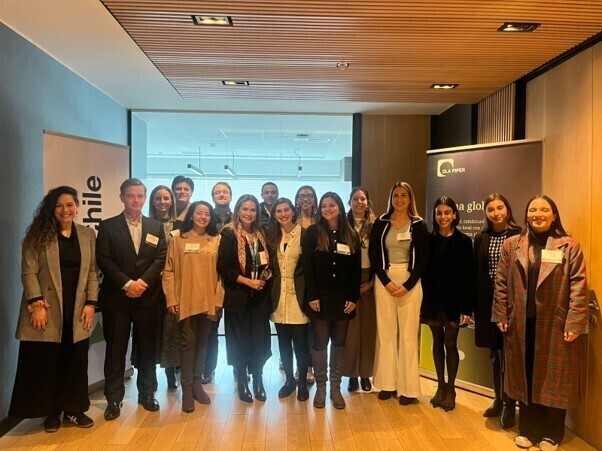
- In addition to the global launch, six local IPS launch events were held in partnership with associations in Cameroon, Chile, Kenya, Tanzania, Nepal and Nigeria, with a seventh scheduled in Q4 of 2026. 84 participants attended the six sessions and some of the actions agreed are:
- The Payment Service Providers Association of Nepal are consolidating feedback from members at the event into a position note for follow-up engagement with relevant regulatory bodies. The discussion confirmed that the assessment’s five findings resonated strongly with the participants and with Nepal’s current digital payments landscape.
- ADFP Nigeria are establishing a working group to document the true cost of IPS participation and models that both lower the cost to consumers but support a business case for fintechs. Nigeria’s instant payment system has been comparatively fair to non-banks in terms of pricing, channel breadth and use-case coverage. Switching fees are negligible (NGN 3.75 per transaction), and consumer fees are capped. The main costs of participation therefore lie elsewhere, particularly in licensing, capital requirements, collateral and historically bespoke integration, rather than transaction fees themselves However, structural asymmetries persist. Non-banks have historically participated indirectly through sponsor banks, while governance and board representation remain weighted towards banks and the Central Bank of Nigeria (CBN). Furthermore, although payments appear instant to end users, settlement is not truly instantaneous. Deferred net settlement across four daily windows means that interbank credit and liquidity risks remain between the time a payment is made and final settlement.
- FinteChile will develop a technical short-form legislative proposal ("ley corta") tailored to the needs of the fintech sector. The objective is to contribute to future regulatory discussions aimed at increasing the participation of fintechs and non-bank actors in IPS. Additional research, incorporating a Chile-specific case study together with the insights gathered during the session should be produced with recommendations and set to appropriate authorities. A technical working group is to be established to draft the proposal and prepare the supporting document.
- The discussion led by the Digital Financial Practitioners Association of Kenya has a strong consensus that interoperability should be treated as a founding principle rather than an outcome left to the market, and that a low-cost platform is non-negotiable. Calls were made for a clear framework governing the switching environment, including possible caps on transaction values and fees. Success, it was argued, must be measured on both usage and adoption, not adoption alone. The legal and regulatory framework was identified as both enabler and barrier. Concerns centred on the National Payment System (NPS) Act — in particular that its structure, including a requirement for a PSP licence per payment service scheme and liquidity requirements for non-bank participants, effectively squeezes out fintechs and makes entry difficult. The recurring question was whether a clear business case exists, and whether reform is realistic this year or a post-2027 agenda.
The discussion led by Tanzania Fintech Association felt the cost of participation was the biggest barrier. The cost to integration was high due to the multitude of APIs and requirements, the fees to integrate and transact with a sponsor bank was high. There was a call for arrangements that support aggregation for fintechs to onboard to Tanzania Instant Payment System (TIPS) that is cost effective and efficient.
AllianceDFA are working with the Association of Governance, Risk and Compliance (AGRC) on a working group examining the cost of ongoing regulatory compliance for micro, small and medium-sized financial service providers. The White Paper and webinar will launch in Q4 2026. More about the project can be read here.
Project Impact & Target Audience(s)
AllianceDFA’s primary audience is national digital finance and fintech associations and their members, including fintechs, banks, mobile money providers, insurtechs and payment service providers.
Our work places particular emphasis on small and medium-sized fintechs and financial service providers, whose perspectives are often underrepresented in industry discussions and regulatory engagement. These providers frequently play an important role in reaching underserved and unserved populations with innovative financial solutions.
By strengthening associations and amplifying the perspectives of these providers, AllianceDFA aims to support the development of inclusive and responsible digital financial services that improve financial health and well-being.
AllianceDFA is actively expanding its engagement with fintech associations across Latin America and the Caribbean (LAC). Miami Fintech Club has been onboarded as a member, bringing connections across the US, Caribbean and Latin America. We have also initiated engagement with associations in Peru, Argentina, Brazil and Mexico to broaden regional representation within the network. The Executive Director of FinteChile has also been appointed to the AllianceDFA Board to support our connections within LAC.
In December, Sarah Corley will attend a regional event in Costa Rica organised by the Luxembourg House of Financial Technology (LHoFT) and the Inter-American Development Bank (IDB). The gathering will bring together fintech associations from across the LAC region, alongside regulators and fintechs, providing an important opportunity to strengthen relationships with prospective members and support further onboarding. It will also deepen AllianceDFA’s understanding of the region’s fintech ecosystems and regulatory landscape, helping to inform future engagement and collaboration.
Communications and Marketing
All AllianceDFA activity is published to our LinkedIn page and website. I have embedded links within the report to help navigate to specific publications and information.
What’s Next?
AllianceDFA are in the process of launching four new initiatives to support member-led collaboration and industry development. These include
1) Thematic Forums,
2) Thinking Room
3) Ready · Trusted · Investable knowledge series to for fintechs and FSPs
4) Database of members
1) Thematic Forums
AllianceDFA Thematic Forums bring members and invited participants together to exchange experience, explore shared challenges and identify opportunities for collaboration across digital finance and fintech. Discussion-led but action-oriented, each Forum is led by one or two AllianceDFA members with relevant expertise, who facilitate discussions and capture key insights.
The Forums create value by enabling associations and their members to learn from peers, helping Forum Leads share expertise and build connections, informing AllianceDFA’s priorities and activities, and bringing diverse perspectives together to strengthen understanding of industry challenges and opportunities. Read more here.
2) Thinking Room
Thinking Rooms are peer-to-peer sessions that provide a collaborative space for AllianceDFA members to explore an idea, challenge or problem with others in the network. Rather than presenting finished solutions, participants draw on shared experience, constructive challenge and collective thinking to generate fresh perspectives, explore potential approaches and learn from one another.
Any AllianceDFA member association can request a session, either to lead the discussion themselves or bring one of their members to present a challenge. The format encourages open, practical and collaborative discussion, helping participants develop ideas, identify opportunities and benefit from the collective expertise of the network. Read more here.
3) Ready – Trusted – Investable Series
Ready · Trusted · Investable is designed to support fintech founders at different stages of their journey, from early-stage ideas to business growth and international expansion. The series aims to provide practical insights from people with experience in building, scaling, investing in and regulating fintech businesses, while creating opportunities for collaboration between founders and wider ecosystem stakeholders.
The programme will feature regular one-hour sessions exploring four themes: Inspiration, sharing founders’ experiences and lessons learned; Innovation, examining emerging technologies, trends and changing customer needs; Building, focusing on investment readiness, regulatory compliance and business viability; and Expanding, addressing new markets, regulatory requirements and partnerships.
Through a combination of practical workshops, fireside chats, panels and webinars, the initiative aims to equip founders with relevant knowledge, fresh perspectives and practical approaches to support their growth, while building a global community of founders and ecosystem leaders, including financial institutions, investors and regulators.
4) Member Database
The member database is being developed to create a central record of the people leading and working within AllianceDFA member associations, including their roles, expertise and areas of interest. This will help strengthen connections across the network, facilitate peer-to-peer engagement, identify opportunities for collaboration and ensure the right people can be connected to relevant discussions, initiatives and expertise.
Together, these four initiatives are designed to strengthen connections across the AllianceDFA network, make it easier for members to share knowledge and expertise, and turn collective experience into practical action. They create structured opportunities for members to collaborate on shared challenges, contribute their expertise, connect with relevant peers and access insights that support their work and the wider industry. By linking people, ideas and opportunities across the network, the initiatives aim to build a more connected and engaged community, strengthen member-led collaboration and increase AllianceDFA’s capacity to identify emerging priorities and catalyse collective action.
Community Support
Please do sign up to join our webinars, thematic groups and other initiatives. All opportunities are posted to our LinkedIn Page.



Top comments (0)