


Nearly twenty years ago, I joined the open source movement as a student volunteer. Back then, I knew it mostly through the open web community: people from different countries and backgrounds working together on an open web browser. People could help shape something they used.
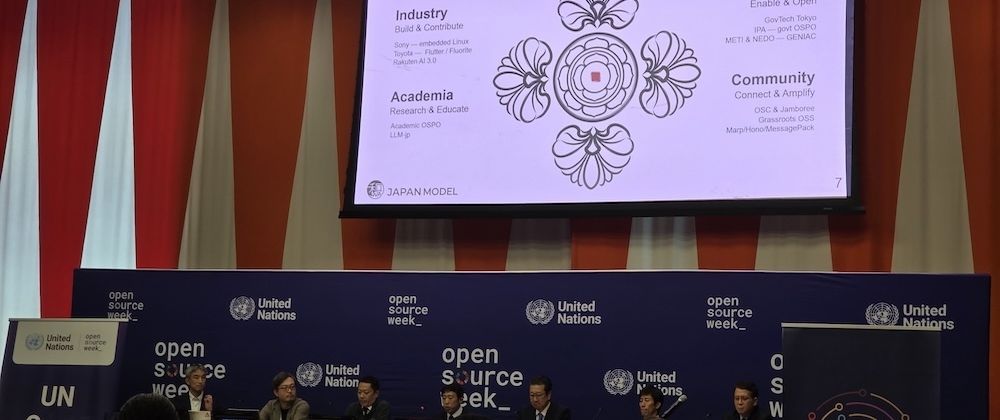
If you’d told me back then that open source would become a priority for governments and major organisations, with these conversations taking place at the United Nations, I wouldn’t have believed it.
In June 2026, I represented the Interledger Foundation at UN Open Source Week in New York, alongside Chris Lawrence, our Chief Programs Officer. We met people working in government, universities and open source communities, including several of our partners. The discussions covered public services and payment systems that people depend on.
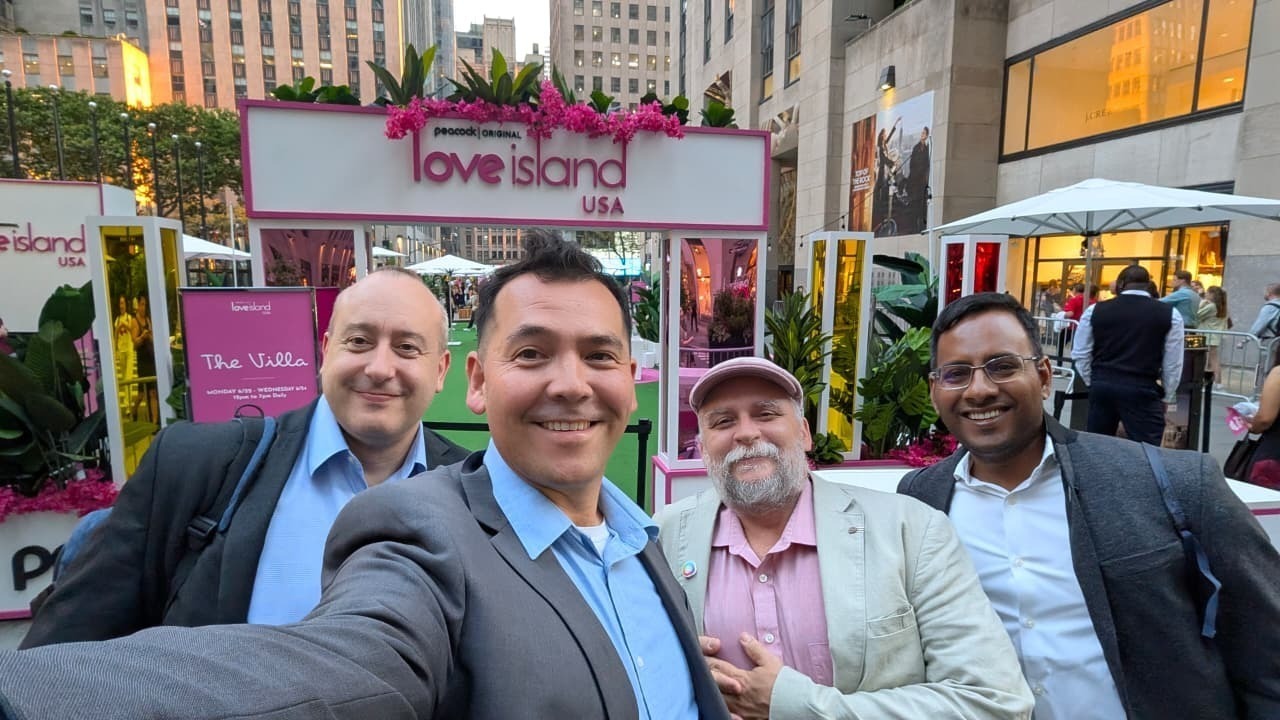
From left to right: David Higgings, Ed Cable, Chris Lawrence, Vineel Reddy
The question that stayed with me through the week was:
As governments and institutions adopt open source, how do we make sure the communities behind it have a say in the decisions?
DPI Day - Digital Public Infrastructure is about people
One of the sessions that resonated with me was “Building Inclusion: Identity, Payments, and the Real Cost of Digital Public Infrastructure” during DPI Day.
The discussion went beyond building digital identity and payment systems to whether people could use and trust them.
Chris and I reconnected with Jayshree Venkatesan, Senior Vice President and Head of Partnership Development at Accion and met Andrea Duarte, Advisor, Payment Systems Department, Central Bank of Colombia. We spoke about the work the Interledger Foundation is supporting in Colombia around digital payments, inclusion, and how open technologies can better support national priorities.
Lunch with the Digital Public Goods Alliance (DPGA) community
For more than a year, the Interledger Foundation team has been speaking with the DPGA community about how Rafiki, our open-source payment software, could contribute to digital public goods. Lunch gave us a chance to continue those conversations in person.
Open Source Program Offices (OSPOs) for Good
Governments, UN agencies and universities discussed how open source program offices could help them organise their open source work. It was good to hear conversations about contributing to projects and supporting their upkeep.
Community is the constant
My favourite part of the week was Friday’s community sessions, organised by RISE, OpenForum Europe, CURIOSS, and Red Hat at the IBM office. IBM had announced its new chip technology just the day before. I found that fascinating.
Ed Cable, CEO of Mifos Initiative, joined a session on how countries can build public digital systems that they can control and that work with other systems. The discussion covered how institutions choose technology and how communities contribute to it. These decisions affect whether local teams can adapt and maintain the systems they use.
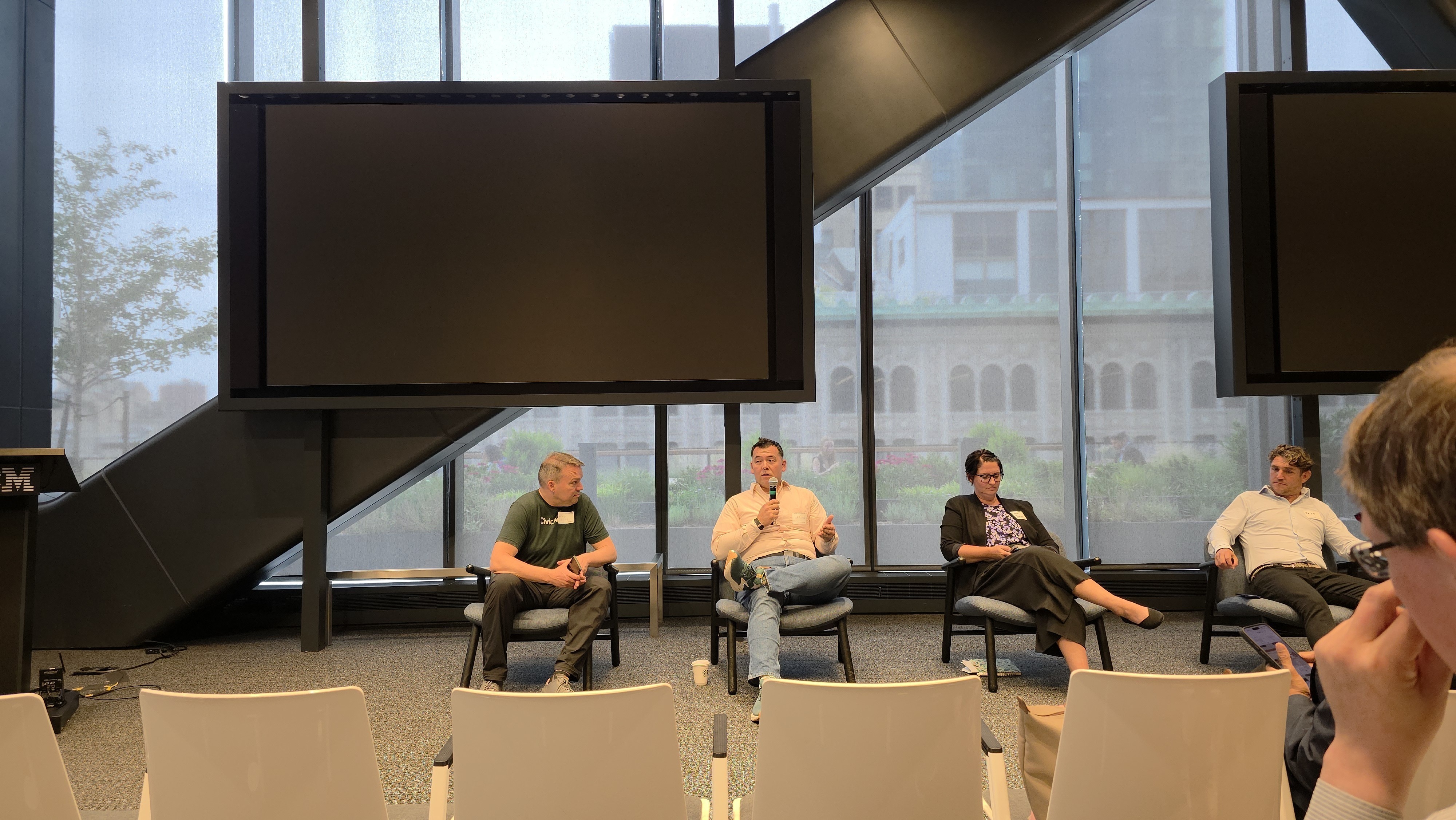
Ed Cable, CEO of Mifos Initiative
Friday’s sessions reminded me of the unconference events I attended years ago, where people discussed their work openly and learned from each other. That is what drew me to the community in the first place.
What this means for Interledger Foundation
At Interledger, we support open standards like Open Payments, open source projects such as Rafiki, and community-led initiatives around the world. The conversations during the week were closely connected to this work, including our discussions about payments in Colombia and Rafiki with the DPGA community.
I think we need to keep asking how the communities we support are involved in decisions about the work. What are we learning from them, and how does that influence the support we provide?


Top comments (0)